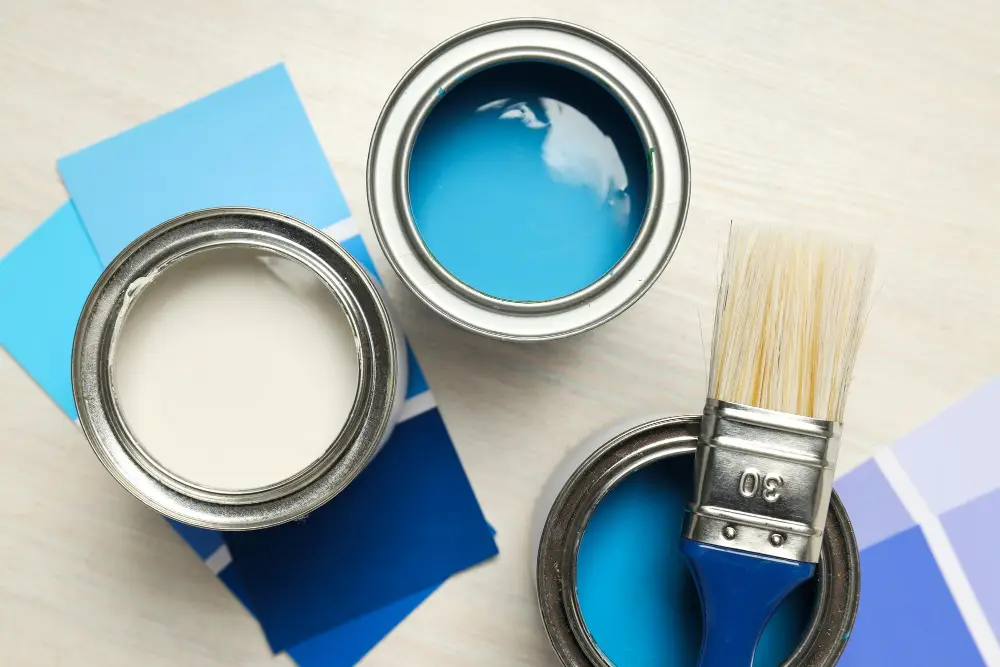
Paint is the last thing to go on the walls and the first thing anyone notices. After months of framing, drywall, and flooring decisions, color is where a renovation finally starts looking like the home you pictured. It is also the decision homeowners second-guess the most, and current home renovation paint trends are part of the reason: the stark cool grays that dominated for a decade have stepped aside, and what replaced them is warmer, earthier, and easier to live with. That shift leaves a lot of homeowners mid-renovation wondering what to put on brand-new walls so the house looks current now and still looks right in ten years. This guide covers what is trending in renovated homes, where each trend works best, what professional painting actually costs, and how to make choices you will not be repainting in three years.
Why Paint Choices Feel Riskier After a Renovation
Picking paint for an existing room is low stakes. Picking paint for a renovation is different, because everything around the color is new too. Fresh flooring, new cabinetry, new lighting, and new trim all interact with wall color, and a mismatch makes expensive finishes look wrong. Renovated homes also tend toward open layouts, where one color decision flows through three connected spaces and a mistake repeats across a thousand square feet.
There is a technical layer as well. New drywall absorbs paint differently than old painted walls, mixed lighting in open plans shifts how colors read, and a renovation that blends new rooms with original ones has to make old and new feel like one house. The trends below are popular precisely because they handle these conditions well, but the application advice matters as much as the color names.
Warm Neutrals Have Taken Over
The biggest shift in renovation palettes is the move from cool gray to warm neutral. Creamy whites, soft beiges, mushroom tones, and the beige-gray hybrids people call greige now anchor most whole-home repaints.
Why Warm Works After a Renovation
Renovated homes tend to feature wood tones, stone, brass or black hardware, and plenty of texture. Warm neutrals tie those materials together, while cool grays can fight them and make new finishes read cold. Warm whites also handle mixed lighting better, which matters in open layouts where daylight, recessed LEDs, and lamps all hit the same wall.
How to Pick the Right One
Undertones make or break a neutral. A beige can lean pink, yellow, or green depending on the light in your home. Buy sample pots, paint large swatches on two or three walls, and watch them at morning, midday, and night before committing. The swatch that looks right in the store often looks different next to your new flooring.
Earth Tones Are the New Accent Colors
Olive green, sage, terracotta, clay, ochre, and muted rust are everywhere in renovated kitchens, bedrooms, and home offices. These colors pull from nature, and they pair naturally with the wood cabinetry and stone counters that renovations tend to include.
Green has become the go-to for kitchen islands and lower cabinets, with sage and olive leading. Terracotta and clay show up in dining rooms, powder rooms, and entryways where warmth makes the space feel settled. Bedrooms trend toward muted, dusty versions that read calm rather than loud. The keyword is muted: earthy colors with a touch of gray in them age well and tolerate changing decor, while fully saturated versions of the same hues tire faster. Test any strong color in the actual room first, since saturated paint always reads stronger across a full wall than on a chip.
Dark & Moody Rooms Are Here to Stay
Deep navy, charcoal, forest green, and near-black walls keep gaining ground, especially in dens, offices, dining rooms, and primary bedrooms. A renovation is the right moment to try one, because new lighting plans can support a dark room properly.
Make Dark Colors Work
Dark walls need layered lighting and contrast. Pair them with light ceilings, pale flooring, and brass or warm wood accents so the room feels intentional instead of dim. Painting the trim and ceiling the same dark color, a technique called color drenching, has become a signature look in renovated homes and makes small rooms feel taller because the edges disappear.
Where to Be Careful
Dark colors show roller marks, dust, and touch-up patches more than light ones. Use quality paint, two full coats, and keep labeled leftover for repairs. North-facing rooms with little daylight can swallow dark colors, so test there before committing.
Paint Trends Beyond the Walls
Renovation paint trends are no longer just about walls. Painted cabinetry, colored trim, and two-tone kitchens are now standard requests.
Two-Tone Kitchens
White or cream uppers with green, navy, or black lowers remain the most requested kitchen combination, with the island often taking a third color or a wood finish. This keeps the room bright up top while grounding it below, and it puts the trend participation on surfaces that are easier to repaint than a whole room.
Trim That Is Not White
Trim painted the same color as the walls, or a few shades darker, has replaced default white trim in many renovations. It reads modern and lets architectural details stand out through shadow rather than contrast. In older homes, stained wood trim is making a comeback, so think twice before painting over original woodwork.
Sheens Are Going Lower
Matte and eggshell walls hide drywall imperfections, which matters where new and old surfaces meet. Satin has replaced semi-gloss on much trim and cabinetry. Most major brands now make matte paints rated for moisture and scrubbing, so kitchens and baths no longer trade durability for the look. One renovation-specific note: prime new drywall properly before finish coats, because skipping primer causes flashing, where patched areas show through in different sheens, and no trendy color survives that.
What Professional Painting Costs in a Renovation
Painting is one of the smaller line items in a renovation, which is part of why it is the easiest place to choose boldly.
| Painting Scope | Typical Cost Range | Notes |
| Single room, walls only | $300 to $800 | Standard 12×12 room, two coats |
| Single room, walls, trim, ceiling | $600 to $1,400 | Includes cutting in and trim enamel |
| Whole home interior (2,000 sq ft) | $4,000 to $10,000 | Varies with ceiling height and prep |
| New drywall prime and paint | $2 to $4 per sq ft | Renovation standard, includes primer |
| Cabinet painting (full kitchen) | $3,000 to $7,000 | Spray finish, doors off, lasts longest |
| Accent wall or color drench room | $400 to $1,200 | Dark colors need extra coats |
Repainting a room you regret costs a few hundred dollars, which makes paint the lowest-risk decision in the entire renovation. Cabinets are the exception, since refinishing is a multi-thousand-dollar job, so lean classic there and save the experiments for walls.
Frequently Asked Questions
What paint colors are trending for renovated homes right now?
Warm neutrals like creamy white, greige, and mushroom lead for main living areas, with muted earth tones like sage, olive, terracotta, and clay as accents. Dark, moody colors like navy and forest green are popular for dens, offices, and dining rooms, often applied to walls, trim, and ceiling together.
Are gray walls out of style?
Cool, blue-leaning grays have faded from favor, while warm grays and greige remain steady. If you like gray, choose one with warm undertones and pair it with wood and brass so it reads cozy instead of cold.
What is the most timeless paint choice for a renovation?
Warm whites and soft neutrals in main living areas, with stronger color saved for smaller rooms, islands, and accent applications. That structure lets the house participate in trends on surfaces that take a weekend to repaint while the big connected spaces stay stable.
Should I paint before or after flooring goes in?
In a renovation, the standard sequence is paint after drywall and before finished flooring, with a final touch-up pass after flooring and trim install. This protects new floors from the heaviest paint work while accepting minor touch-ups at the end.
What sheen should I use on renovated walls?
Matte or eggshell for most walls, since low sheen hides the seams and patches that come with new drywall. Use scrubbable formulas in kitchens, baths, and hallways, and satin on trim and doors for durability with a softer look than semi-gloss.
Related Reading & Services
Get the Color Right the First Time
Paint is where your renovation becomes your home, and professional prep on new drywall is what makes trendy colors look the way they did in your head. If you are renovating in Pekin, East Peoria, Morton, Washington, or the surrounding Central Illinois communities, our team handles drywall, priming, and painting as part of the project, with color guidance built into the process. Request your free estimate or call (309) 241-9593 to talk through your palette.