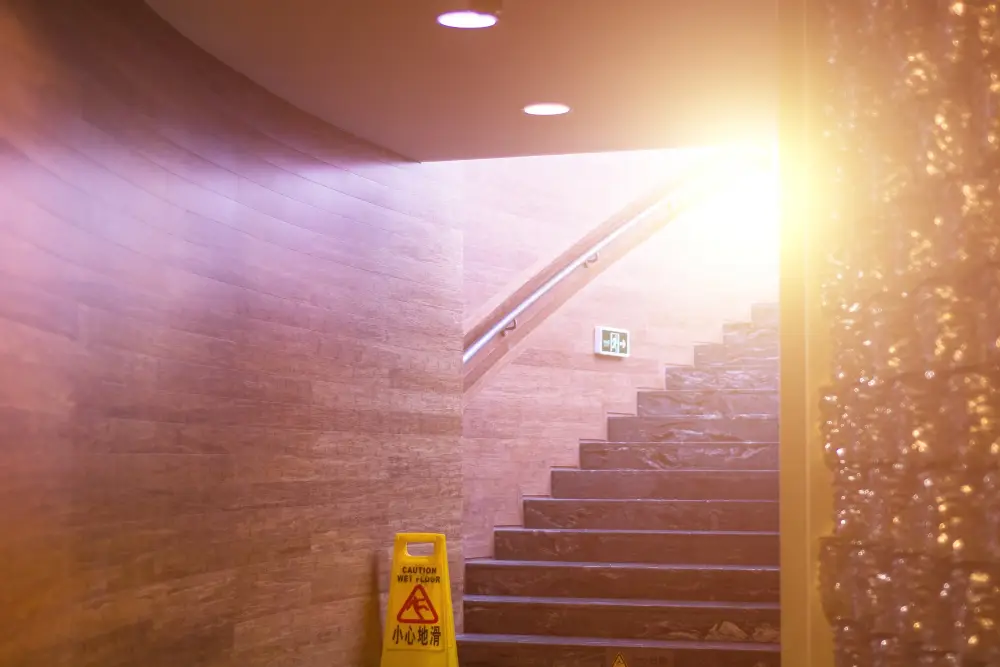
Most basements start out with one bare bulb and a pull chain. That works fine for storing holiday decorations, but it falls apart the moment you try to turn the space into a family room, office, or guest suite. The right basement lighting ideas can make a below-grade room feel as bright and welcoming as any space upstairs, and the wrong ones leave you with a finished basement that still feels like a cave no matter how much you spent on flooring and furniture. The good news is that great basement lighting does not require a huge budget. It requires a plan, made early, before the drywall goes up. This guide walks through that plan layer by layer, with real cost figures, answers to the questions homeowners ask most, and the details that separate a basement people avoid from one they fight over.
Why Basements Are So Hard to Light
Basements work against you in three ways. First, there is little or no natural light. Upstairs rooms get half their illumination free from windows, and lighting plans copied from those rooms always come up short below grade. Second, ceilings are low, usually 7 to 8 feet, which rules out many hanging fixtures and makes shadows feel heavier. Third, the ceiling itself is crowded with ductwork, plumbing, and wiring that limit where fixtures can go.
The result is predictable. Homeowners install the same six recessed lights they would put in a bedroom, flip the switch, and wonder why the room feels dim and flat. The fix is not brighter bulbs. It is more light sources, layered with intention, planned around the obstacles. Everything below builds on that idea.
Start With the Three Layers of Light
Designers layer light for a reason. One source, no matter how bright, creates shadows and flat spots. Three layers working together make a room feel natural.
Ambient Light Does the Heavy Lifting
Ambient light is your general illumination, the light that fills the room when you flip the main switch. In basements, recessed cans and low-profile LED wafers are the standard choice because ceiling height is limited. A common rule is one recessed light for every 4 to 6 feet of ceiling, spaced evenly. Skimping here is the most common mistake homeowners make. A 600 square foot basement often needs 12 to 16 cans, which sounds like a lot until you see the result.
Task Light Goes Where the Work Happens
Task lighting serves a specific activity: pendants over a bar, under-cabinet strips in a kitchenette, a reading lamp by the sofa, a bright fixture over a workbench. Map out how each zone of the basement will be used, then assign task lighting to each one. A basement office needs directed light at the desk so nobody works in their own shadow.
Accent Light Adds the Finish
Accent lighting separates a basement that feels finished from one that feels furnished. LED strips along floating shelves, a picture light over artwork, toe-kick lighting under a bar, and wall sconces flanking a TV all count. Accent light pulls the eye toward features and away from the fact that there are no windows on three sides.
Pick the Right Color Temperature
Color temperature is measured in Kelvin, and it changes the entire mood of the space. Bulbs in the 2700K to 3000K range give off warm light similar to a living room upstairs. Bulbs at 4000K and above lean cool, which suits a workshop or laundry zone but feels off in a media room.
For most finished basements, 3000K is the sweet spot. It reads warm without going yellow. If your basement has multiple zones, vary the temperature by area: keep the lounge side warm and run the workout corner or utility area at 3500K to 4000K so those zones feel alert and functional. One more tip: buy all the bulbs for a single zone at the same time, from the same brand. Mixed temperatures in one ceiling look unintentional.
Basement Lighting Ideas for Low Ceilings
Basement ceilings run lower than the rest of the house, which calls for fixtures and tricks suited to the height.
Recessed & Flush Mount Fixtures
Recessed cans and LED wafer lights sit flush or nearly flush with the ceiling. Wafer lights have become the go-to in basement renovations because they need only about an inch of clearance and can install around ductwork and joists where traditional cans will not fit.
Pendants Belong Over Furniture
You can still hang pendants in a basement, just not where people walk. Over a bar, an island, or a game table, a pendant adds character and brings light down to where it is used. Keep the bottom of the fixture at least 30 to 36 inches above the surface below it.
Use Wall Light to Stretch the Room
Sconces and LED cove lighting push light across walls instead of straight down. Light that washes a wall makes the room read larger and the ceiling read higher. If you are framing a tray or stepped ceiling detail, run LED strip inside the cove for a built-in glow that costs little to operate.
Fake the Daylight You Do Not Have
You cannot add windows where there is soil, but you can imitate the effect. Daylight-balanced LED panels near stair landings ease the transition from upstairs. Faux window boxes, which are recessed, backlit frames with frosted panels, mimic a real window on a budget. Mirrors placed across from your brightest fixtures bounce light deeper into the room. Light paint colors on walls and ceilings multiply every lumen you install, so if your basement leans dark, the paint choice matters as much as the fixture count.
If your basement has even one small egress or hopper window, build around it. Keep window wells clean, paint them a light color, and skip heavy window treatments that block what little daylight comes through.
Put Everything on Dimmers & Zones
A basement serves more roles than any other room in the house: movie night, kids playing, overnight guests, late work sessions. Each calls for a different light level, and dimmers let one room handle all of them.
Wire ambient cans on one dimmer, accent lighting on another, and task areas on their own switches. Smart switches take it further with preset scenes, so one tap sets movie mode and another brings full brightness for cleaning. Three-way switches at the top and bottom of the stairs are a small detail you will appreciate daily. Zoning costs a little more during rough-in and almost nothing compared to redoing it later, which is why the lighting plan needs to be settled before insulation and drywall, not after.
What Basement Lighting Costs
Costs vary by region and ceiling conditions, but these ranges hold for most projects when lighting is installed during a basement finishing project.
| Lighting Option | Typical Cost Installed (Per Fixture) | Best Use |
| LED wafer / recessed can | $100 to $250 | Ambient light throughout |
| Pendant light | $150 to $400 | Bars, islands, game tables |
| Wall sconce | $150 to $350 | Hallways, TV walls, stair areas |
| LED strip / cove lighting | $10 to $30 per linear foot | Shelves, coves, toe-kicks |
| Under-cabinet lighting | $200 to $500 per run | Kitchenettes, wet bars |
| Faux window light box | $300 to $800 | Windowless walls |
| Dimmer or smart switch | $50 to $150 per switch | Every zone |
A full lighting package for a 600 to 800 square foot basement typically lands between $2,500 and $6,000 when wired during construction. Retrofitting the same plan into a finished ceiling can double that, which is the strongest argument for planning lighting first.
Frequently Asked Questions
How many recessed lights do I need in my basement?
Plan on one recessed light for every 4 to 6 feet of ceiling, spaced evenly. A 600 square foot basement usually needs 12 to 16 fixtures for comfortable ambient light. It is easier to install more and dim them down than to add fixtures after drywall.
What color temperature is best for a basement?
3000K suits most finished basements. It reads warm and homey without going yellow. Utility zones, gyms, and workshops can run 3500K to 4000K for a more alert feel. Keep each zone consistent and avoid mixing temperatures in one ceiling.
Can I light a basement with a low ceiling without recessed lights?
Yes. LED wafer lights need only about an inch of clearance, and wall sconces, cove lighting, and plug-in floor lamps add layers without touching the ceiling. Painting exposed joists a single dark color and using track or surface-mounted fixtures is another route that preserves height.
Are LED lights worth it in a basement?
Yes, and they are now the default. LEDs run cool, last 15 to 25 times longer than incandescent bulbs, and cost far less to operate, which matters in a room with 12 or more fixtures. Most are dimmable when paired with a compatible switch.
Should basement lighting be on dimmers?
Almost all of it. Basements host more activities than any other room, and dimmers let the same fixtures serve movie night, playtime, and cleanup. Put ambient, accent, and task lighting on separate controls for the most flexibility.
Related Reading & Services
Ready to Plan Your Basement Lighting?
Lighting decisions get cheaper and easier when they happen before the drywall goes up, and they get expensive fast after it. If you are planning to finish or renovate your basement anywhere in Pekin, East Peoria, Morton, or the surrounding Central Illinois communities, our team can walk the space with you, map the zones, and build a lighting plan into the project from day one. Request your free estimate or call (309) 241-9593 to get started.