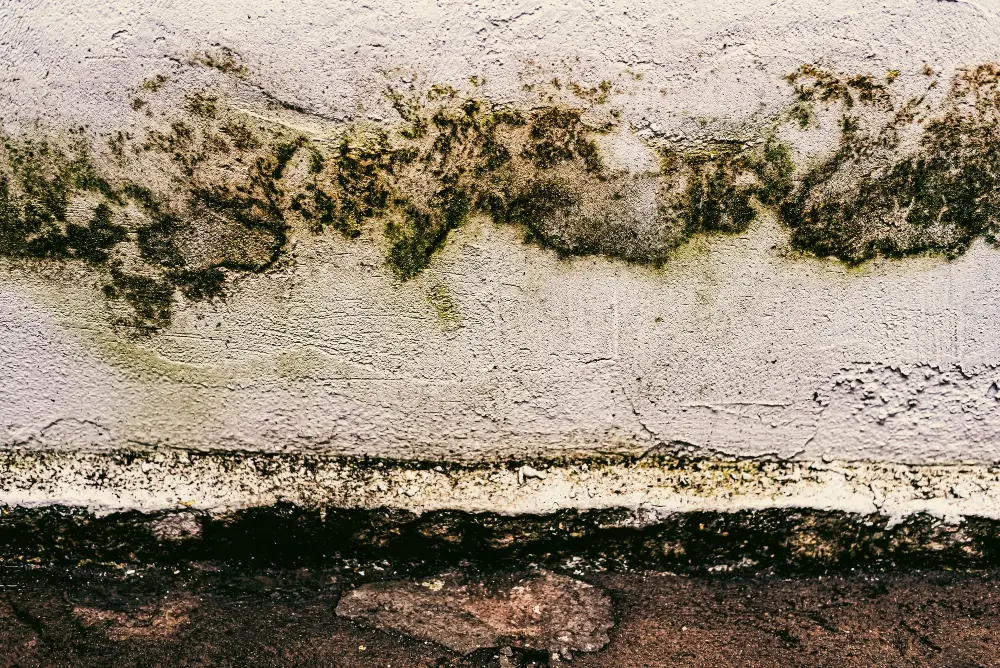
Water damage gets cleaned up. The carpet dries, the fans get put away, and life moves on. Then a few weeks later a musty smell shows up, or someone in the house starts sneezing more than usual, and the real problem announces itself. Mold after water damage in a home is not a maybe. It is a countdown, and the clock starts the moment water touches a surface it should not. Mold spores are already in every house, floating in the air and resting on surfaces, waiting for moisture, and once a material gets wet they can begin colonizing within 24 to 48 hours. This guide explains what actually happens after a leak or flood, why mold gets a foothold so fast and hides so well, what it does to your health and your budget, and how to shut it down before it spreads behind your walls.
Why Water Events Turn Into Mold Problems
The pattern repeats in home after home: the visible water gets dried while the hidden water keeps working. Water follows gravity and capillary action into places a towel never reaches, under baseboards, beneath flooring, inside wall cavities, into the bottoms of cabinets. A dishwasher leak that left a small puddle on the kitchen floor may have soaked the subfloor and the wall behind the cabinets, and surface-dry does not mean dry.
Drywall hides the evidence. Mold growing inside a wall cavity produces smell long before it produces stains, and by the time a patch shows through paint, the colony behind it is usually much larger. This is why professional mitigation crews use moisture meters and thermal cameras instead of trusting their eyes, and why they pull baseboards and drill weep holes to dry cavities properly. The homeowner version of that discipline, checking deeper than the surface after every water event, is the single habit that prevents most post-water mold.
The 24 to 48 Hour Window
Everything in mold prevention comes back to beating the colonization window. Spores can establish on wet materials within one to two days, with visible growth often following inside a week or two. A small leak handled the same day is a non-event. The same leak discovered after a vacation can mean cutting out drywall.
Where the Clock Runs Fastest
Porous, organic materials feed mold best: drywall and its paper facing, carpet and pad, insulation, wood framing, ceiling tiles, and upholstered furniture. Concrete and metal do not feed mold, but the dust and grime sitting on them does. Warm, dark, still spaces speed everything up, which is why wall cavities, under-cabinet areas, and basements lead the list of trouble spots.
Health Risks Worth Taking Seriously
Mold exposure affects people differently. Common reactions include nasal congestion, coughing, throat and eye irritation, and skin irritation. People with asthma or allergies, those with weakened immune systems, young children, and older adults tend to react more strongly, and mold can trigger asthma attacks in people who have the condition.
A pattern worth watching: symptoms that improve when the household leaves the house for a few days and return when they come back. That points to an indoor air problem, and hidden mold is a leading suspect in any home with water damage in its recent history.
Drying Out the Right Way After Water Damage
The goal after any water event is full drying within the 48 hour window, not just visible drying.
For Small, Clean-Water Events
A sink overflow or a small supply line drip on a hard floor can be a homeowner job. Stop the source, extract the water, move wet items out, and run fans plus a dehumidifier for several days, not several hours. Pull the baseboards in the wet area and check behind them. Lift a corner of any wet carpet and get airflow underneath, and assume the pad needs replacing if it soaked through.
When to Call Professionals
Call a water mitigation company when the water sat for more than a day, came from a contaminated source like a sewer backup or outdoor flooding, reached wall cavities or wood flooring, or affected more than a single room. Pros bring commercial extractors, air movers, dehumidifiers, and the moisture meters that prove the structure is actually dry. Homeowner policies frequently cover this work for sudden water events, and fast mitigation costs a fraction of mold remediation later.
If Mold Has Already Appeared
Finding mold changes the job from drying to remediation. Small patches, under about 10 square feet on hard surfaces, can be cleaned with detergent and water while wearing an N95 mask, gloves, and eye protection. Skip the bleach-everything instinct, since bleach does not penetrate porous materials and the moisture in it can feed regrowth. Moldy porous materials like drywall and carpet pad get removed, not cleaned.
Larger growth, mold inside walls or HVAC systems, or mold that returns after cleaning calls for professional remediation. Pros contain the area, run negative air pressure, and remove contaminated material without spreading spores through the house. They also find the moisture source, because mold that comes back was never about the mold. It was about the water.
What Mold Costs at Each Stage
The financial case for speed is stark, and seeing the stages side by side makes the decision for you.
| Stage | Action | Typical Cost |
| First 48 hours | DIY drying, fans, dehumidifier | $50 to $300 |
| First 48 hours | Professional water mitigation | $1,500 to $5,000, often insured |
| Week 1 to 2 | Small surface mold cleanup | $100 to $500 |
| Month 1+ | Professional remediation (one area) | $2,000 to $6,000 |
| Month 3+ | Remediation plus rebuild (walls, floors) | $6,000 to $20,000 |
| Year 1+ | Widespread hidden mold, major demo | $15,000 to $40,000+ |
Every row down the table costs more than the row above it, and the only variable separating them is time. Insurance adds a wrinkle: sudden water events are typically covered, but mold from slow leaks and deferred maintenance is often excluded or capped, which makes early action even more valuable.
Frequently Asked Questions
How fast does mold grow after water damage?
Mold spores can begin colonizing wet materials within 24 to 48 hours, with visible growth often appearing within one to two weeks. That window is why immediate extraction and aggressive drying matter more than any cleaning product used later.
How do I know if mold is growing behind my walls?
A persistent musty, earthy smell is usually the first sign, often before anything is visible. Staining or bubbling at the bottom edge of drywall, soft baseboards, and allergy symptoms that improve when you leave the house all point the same way. A moisture meter or a small inspection opening behind a baseboard confirms it.
Will my insurance cover mold after water damage?
Usually yes when the mold resulted from a sudden, covered water event like a burst pipe, and usually no when it grew from a slow leak or deferred maintenance. Many policies also cap mold coverage. Fast mitigation, documented with photos and receipts, protects both your home and your claim.
Can I clean up mold myself?
Small patches under about 10 square feet on hard, non-porous surfaces can be cleaned with detergent, water, and protective gear. Moldy drywall, carpet pad, and insulation get removed rather than cleaned, and anything larger, hidden, or recurring belongs with a professional remediation crew.
Should I use bleach on mold?
No. Bleach does not penetrate porous materials, so it kills surface growth while roots survive, and the water in bleach solutions can feed regrowth. Detergent cleaning on hard surfaces and removal of porous materials work better, and fixing the moisture source matters more than either.
Related Reading & Services
Beat the 48 Hour Clock
Water damage is an event. Mold is a process, and the process only wins when the response is slow. If your home in Pekin, East Peoria, Morton, Washington, or the surrounding Central Illinois area has water damage, or you suspect mold is already working behind a wall, our team handles mitigation, remediation coordination, and the full rebuild. Contact us for a fast assessment or call (309) 241-9593 today, not next week.